


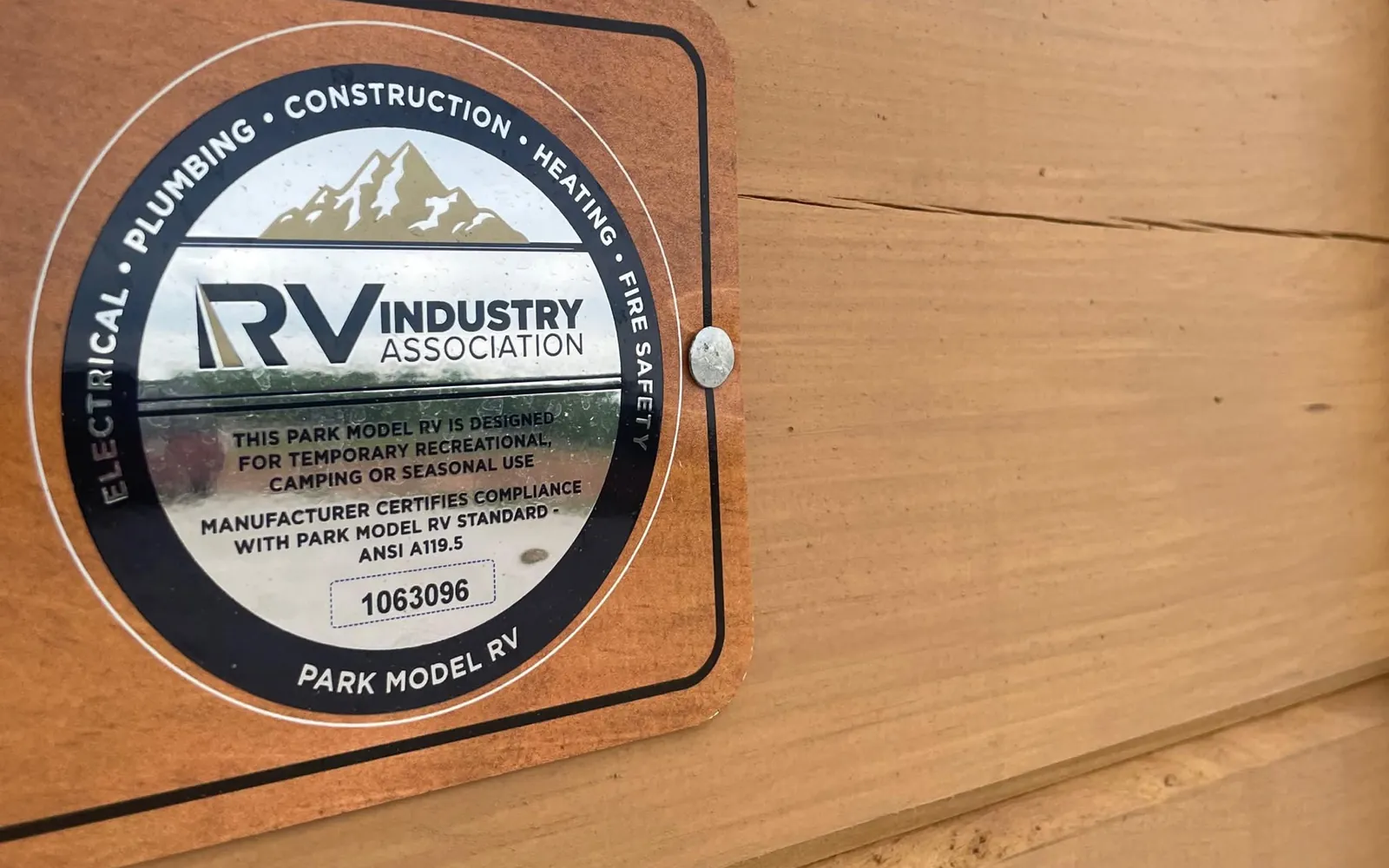
Shopping for a tiny home, you’ll see “RVIA certified” in a lot of listings, and not in others. It sounds official, but few sellers explain what it actually means for you as a buyer, or what it doesn’t promise.
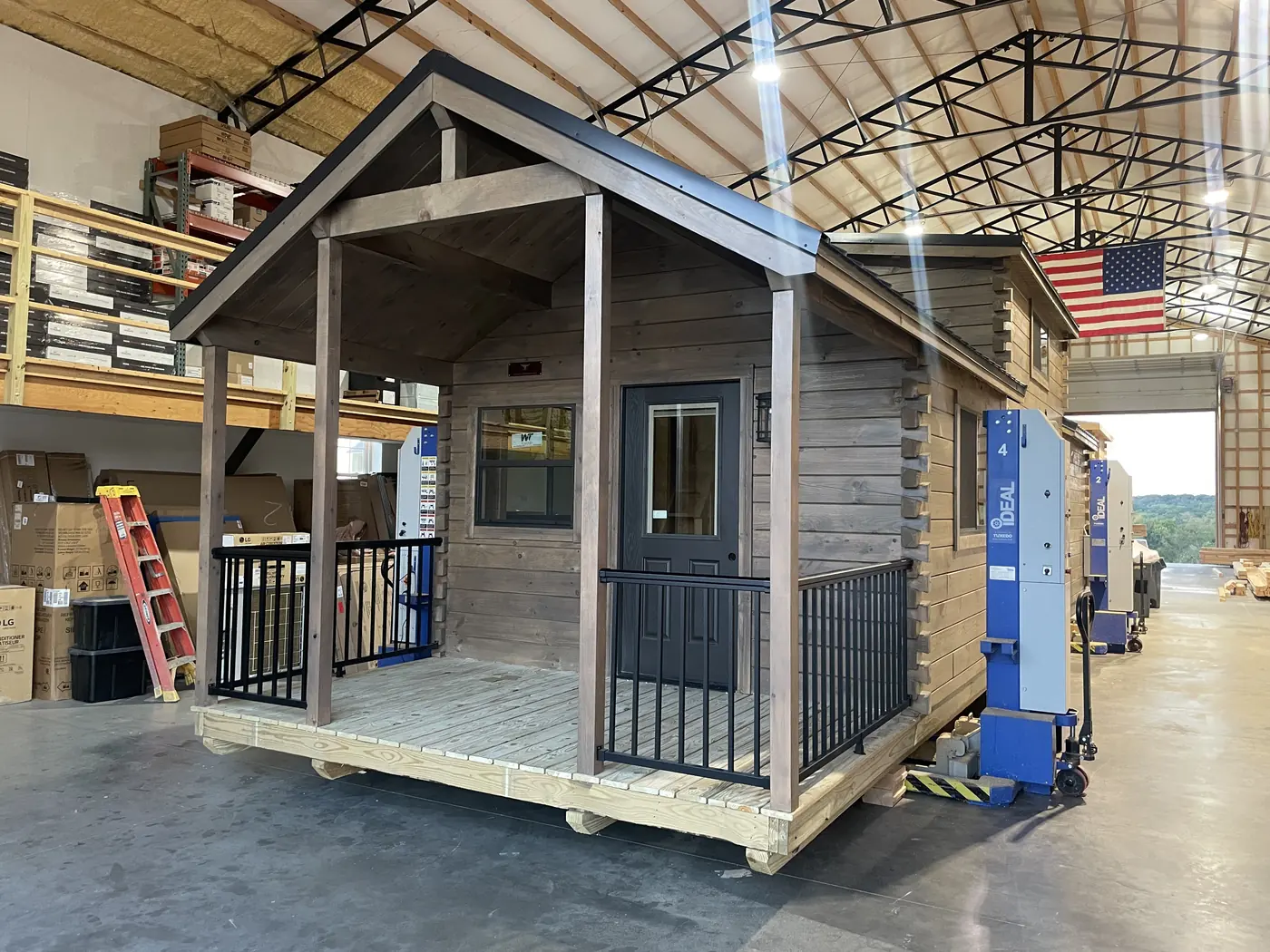
We build RVIA certified tiny homes in Fair Play, Missouri, so this is the seal we put on our own park model cabins. For the full picture of buying one, from cost to delivery day, start with our tiny home buying guide.
What does RVIA certified mean for a tiny home?
It means the builder certifies the home was built to the RV industry’s safety standards and put the RV Industry Association’s seal on it. For a park model, the seal says it meets the ANSI A119.5 park model standard and is designed for temporary recreational, camping or seasonal use.
RVIA is the trade group for RV makers. It describes its seal as a sign that an RV or park model RV is certified by its manufacturer as built to adopted safety standards. The photo at the top of this page is the seal on one of our cabins: “Park Model RV,” the standard it meets, and a serial number for that unit.
What does the RVIA seal check?
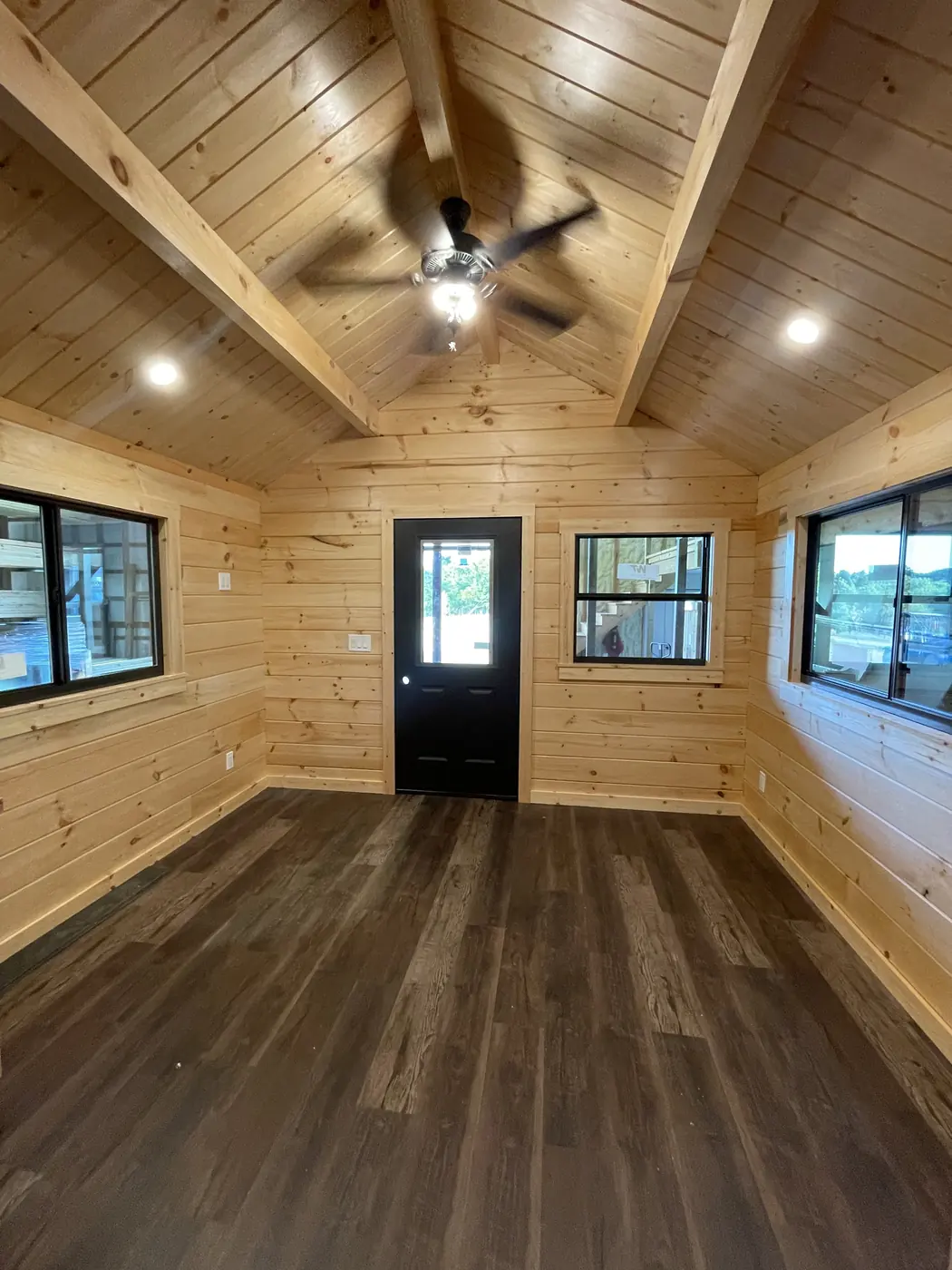
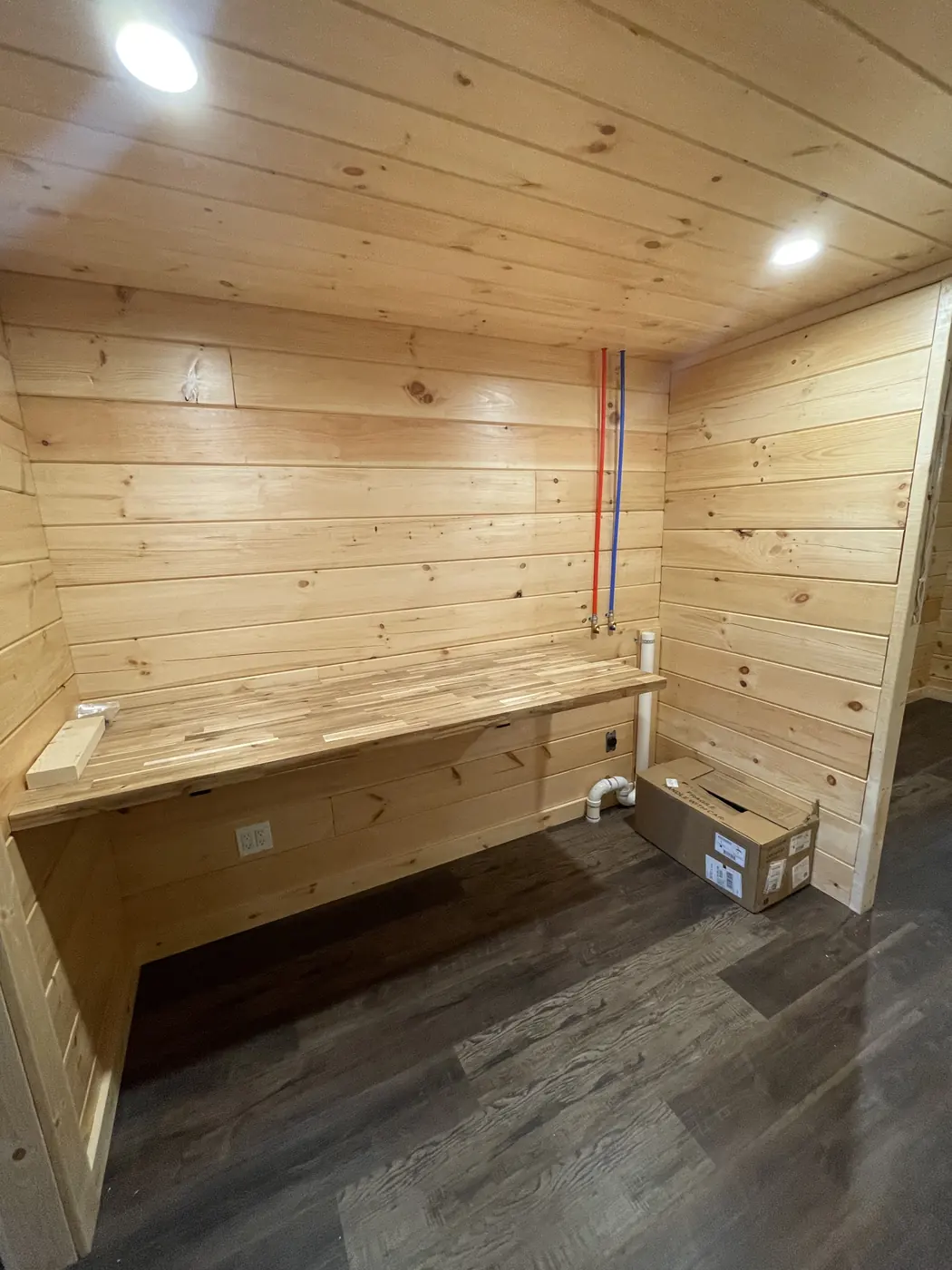
The safety systems: electrical, plumbing, heating, construction and fire safety. RVIA says the seal covers over 500 safety-related requirements from standards such as NFPA 1192, the National Electrical Code and ANSI A119.5, including smoke and carbon monoxide detectors, emergency exits and gas line testing.
Those details come from RVIA’s guide to the seal for consumers. The words around the edge of the seal list the same five areas: electrical, plumbing, construction, heating and fire safety.
The seal is about how the cabin is built, not how it looks. It won’t tell you whether the logs are solid wood, what brand the appliances are or how the finish holds up. For that, compare spec sheets; ours is on the log cabin materials page.
In plain terms, the systems the seal covers are the ones that can hurt you if they’re done wrong:
- Electrical: wiring, the breaker panel and outlets.
- Plumbing: water supply lines and the drain and waste lines.
- Heating: the heating system and how it’s installed.
- Fire safety: smoke and carbon monoxide detectors and a way out in an emergency.
- Construction: how the structure is put together.
Who inspects an RVIA certified tiny home?
The builder certifies each unit, and RVIA checks the builder. RVIA’s full-time inspectors make more than 2,000 unannounced inspections a year at member factories, and RVIA says each member gets surprise visits several times a year. Homes from builders outside the program don’t get those audits.
That is the key difference from a home that is simply “built to RV standards.” Anyone can say that. A seal means a builder signed on to the program and opened its shop to inspectors who show up without notice.
Can any tiny home be RVIA certified?
No. RVIA only certifies tiny homes that are built as RVs or as park model RVs. A park model can’t exceed 400 square feet in setup mode. A tiny home meant to be a permanent residence can’t be an RV or park model, so it has to meet local, state or HUD housing codes instead.
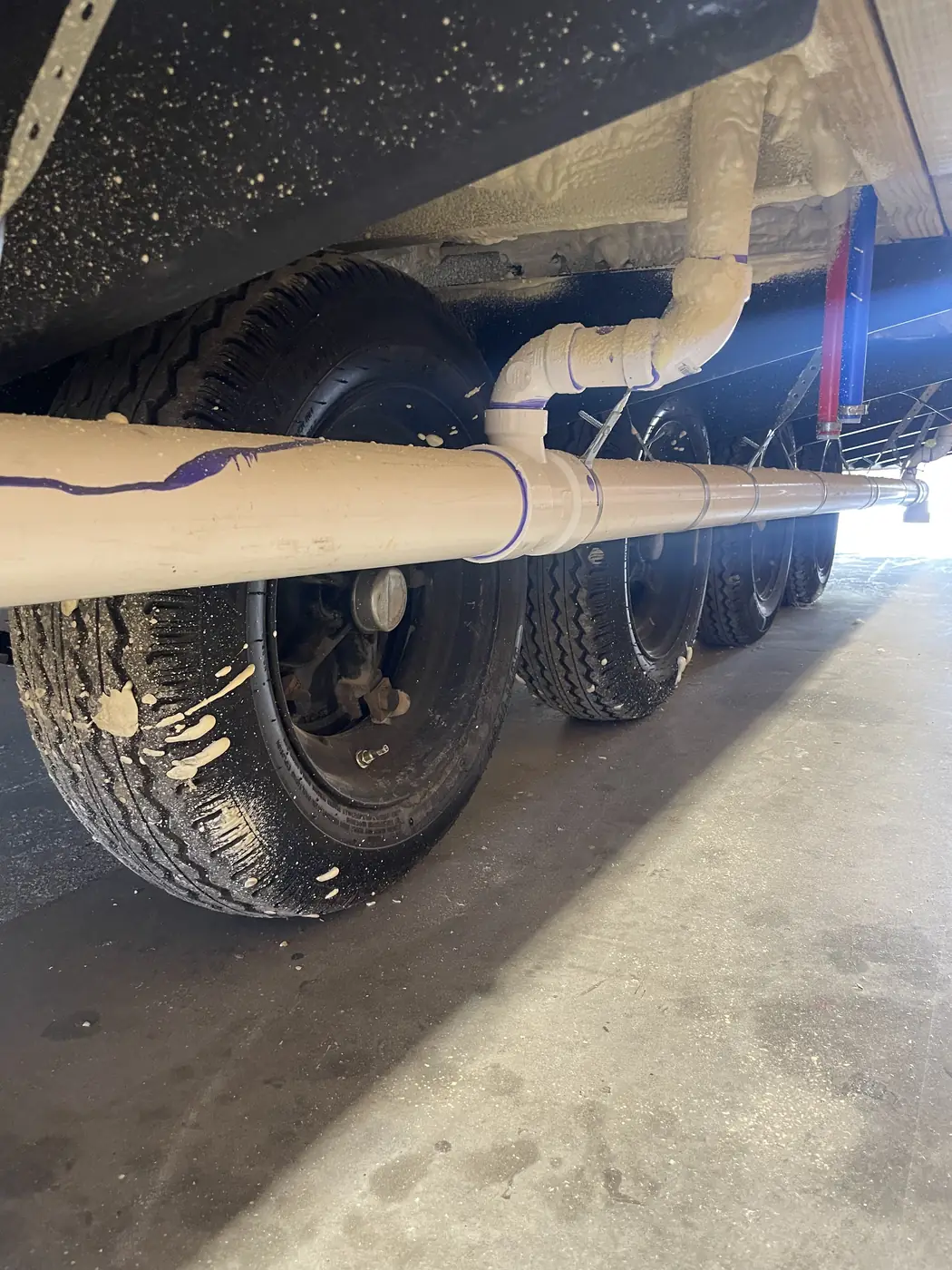
That rule is in RVIA’s statement on tiny homes. It is why so many park models, including ours, sit right at the 400-square-foot limit, with porches and lofts adding space outside that count. Read more about the limits in what a park model home is.
Here is how the three kinds of small home compare:
| RVIA certified park model | Uncertified tiny house on wheels | Small house on a foundation | |
|---|---|---|---|
| Built to | ANSI A119.5 park model standard | Whatever the builder chose | Local, state or HUD housing codes |
| Outside inspections | Unannounced RVIA audits of the factory | None required | Local building inspector on site |
| Size | Up to 400 sq ft in setup mode | Varies | No park model limit |
| Meant for | Recreational, camping or seasonal use | Varies | Year-round home |
Why does RVIA certification matter when you buy?
Because the places a tiny home goes often ask for it. RVIA says many public and private campgrounds require a seal for entry. Lenders, insurers and county offices may ask how the home was built, too, and a recognized seal is a quick answer. Ask each one before you buy.
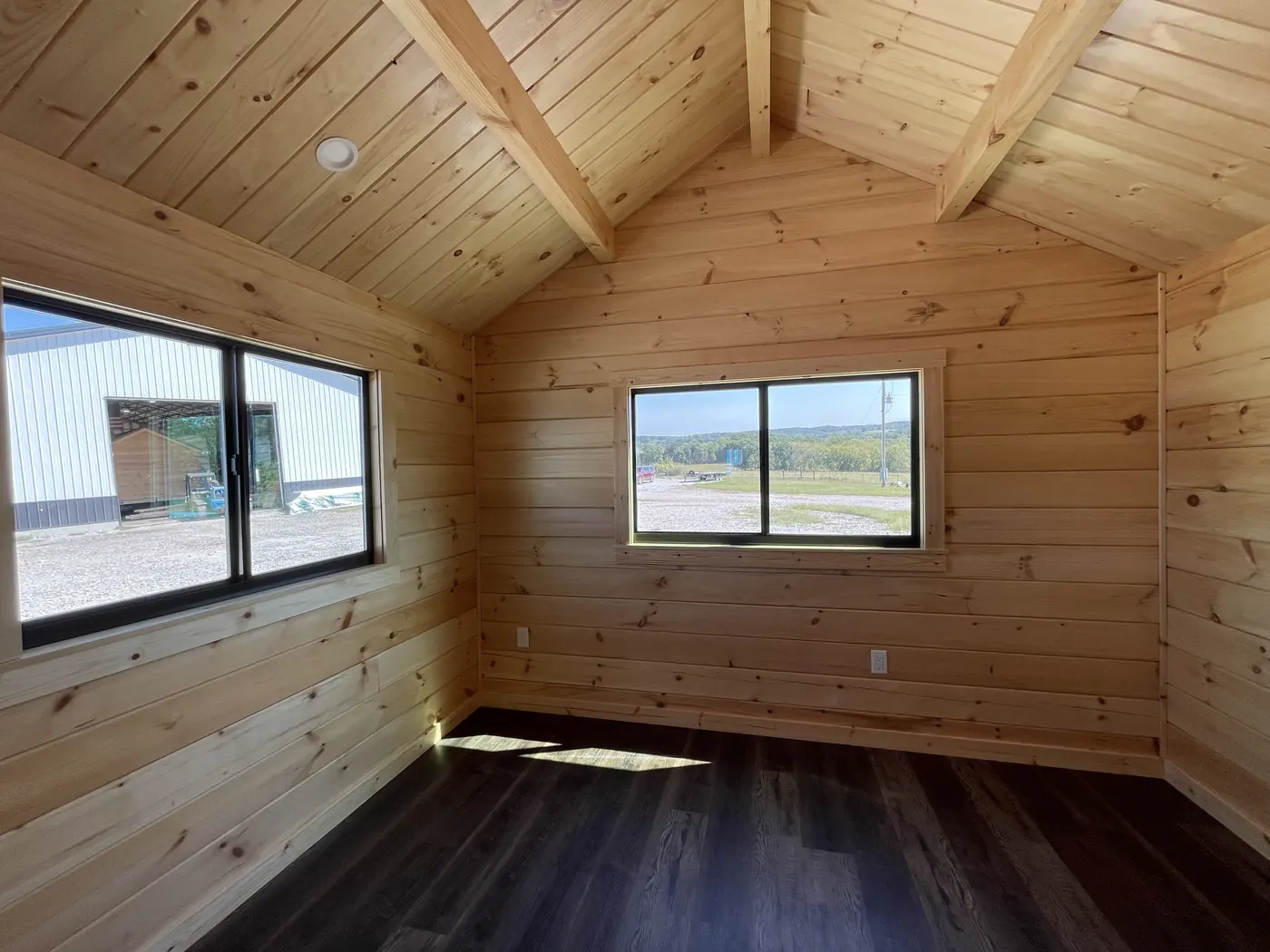
It matters if you sell, too. A buyer, a campground or a lender can check a seal in seconds. A home with no certification leaves them taking the seller’s word for how it was built.
Before you order, make three calls:
- The campground or RV park, if that’s where it will go: do they require an RVIA seal?
- Your lender and insurance agent: what do they need to see for a park model?
- Your county: how do they treat a certified park model on your land? Start with Missouri tiny home laws.
How can you tell if a tiny home is RVIA certified?
Look for the seal itself, usually on an outside wall near the entry door. It should name the standard, say “Park Model RV” or show the RV type, and carry a serial number. If a seller says a home is certified but can’t show you the seal, treat it as not certified.
Ask the builder for the paperwork that comes with the cabin, too, and keep it with your title and warranty. If you ever sell the cabin or move it to a campground, the next owner or the campground will want to see it.
What doesn’t RVIA certification cover?
It doesn’t make a park model a permanent house: RVIA says RVs and park models aren’t designed or intended to be permanent homes. It doesn’t cover zoning, your pad, your utility connections or setup on your land. And it isn’t a warranty; that comes from the builder.
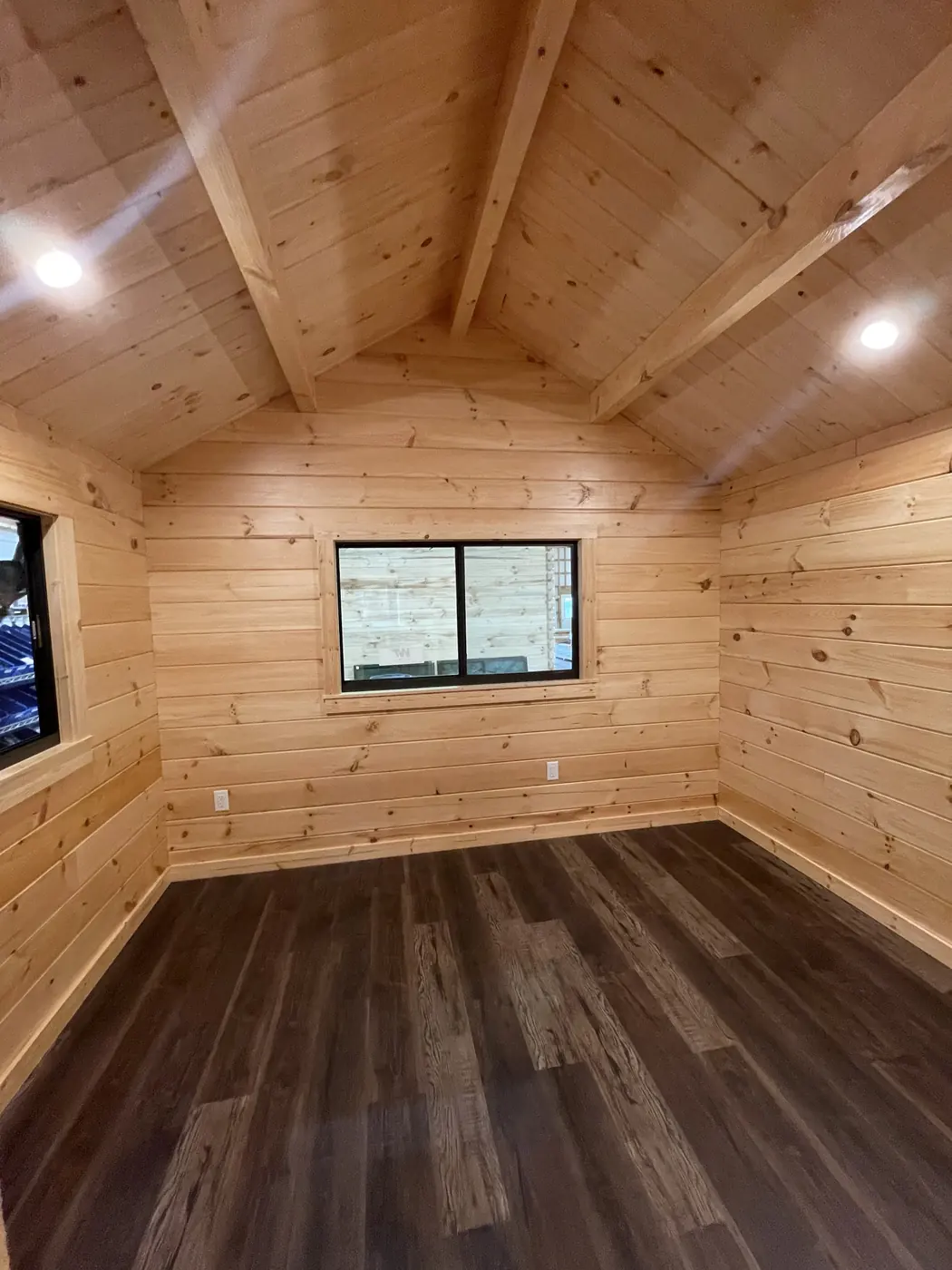
Whether you can live in a park model full time is a local question. Your county or city decides where it can go and for how long. Site work like the pad and hookups follows local rules and your contractor’s work, not the factory’s.
Are Premium Structures cabins RVIA certified?
Yes, as park models. The Kodiak is an RVIA certified park model with 400 square feet on the main floor plus a loft. The Cub is RVIA certified when built as a park model on a chassis, or it can be built as a recreational building for a concrete foundation instead.
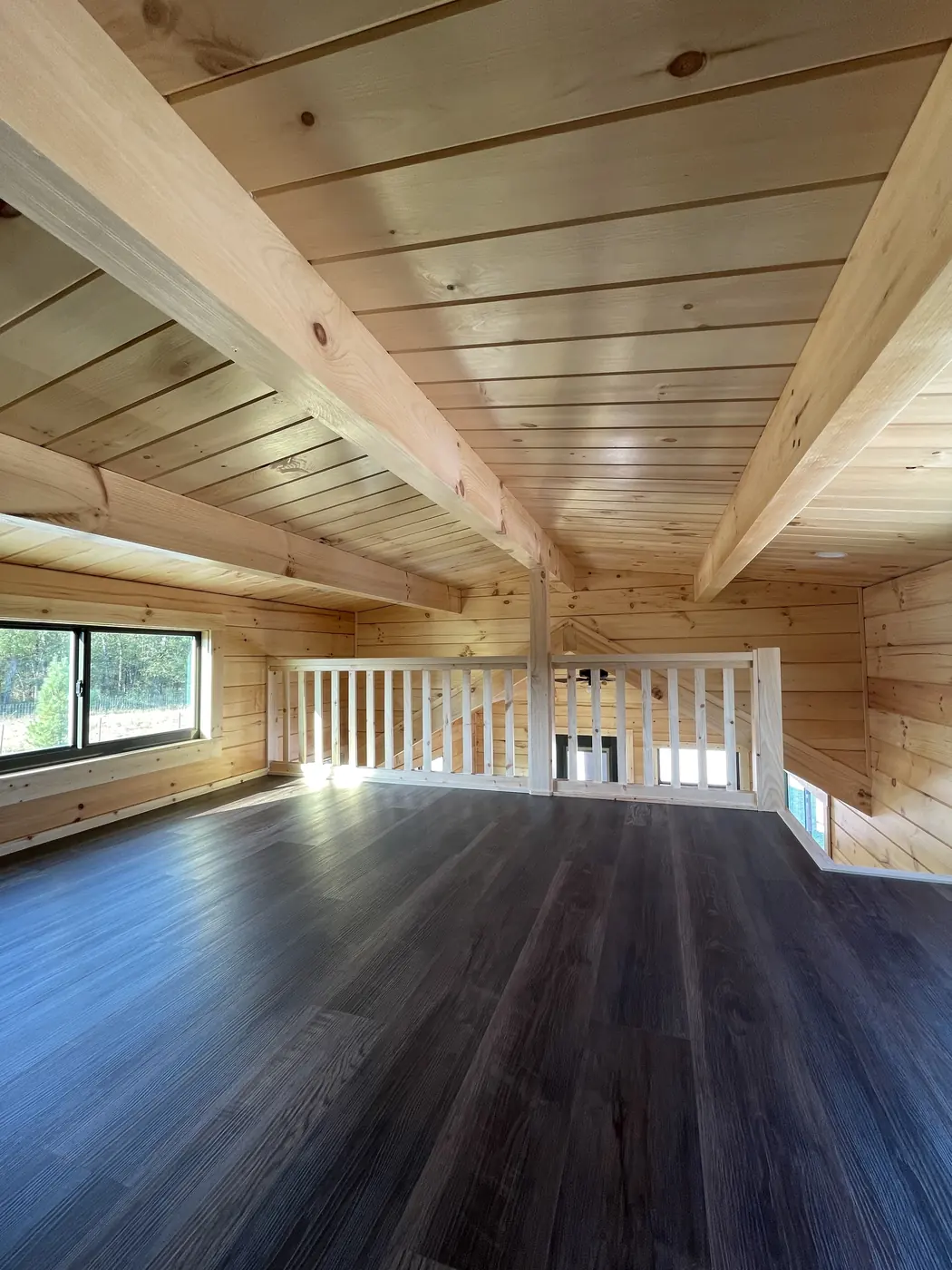
Our warranty is 2 years, extended to 10 when a park model is placed on anchored concrete pillars or blocks, or when a recreational building sits on a concrete foundation. See the details on our warranty page, and compare both cabins with prices on our log cabin tiny homes page.
Quick summary
- An RVIA certified tiny home carries the RV Industry Association seal: the builder certifies it meets RV safety standards.
- For a park model, the seal names the ANSI A119.5 standard and says it is for recreational, camping or seasonal use.
- RVIA inspectors make unannounced visits to member factories; uncertified builders don’t get those audits.
- Many campgrounds require the seal; ask your lender, insurer and county what they need.
- Certification doesn’t make it a permanent home or replace your builder’s warranty.