


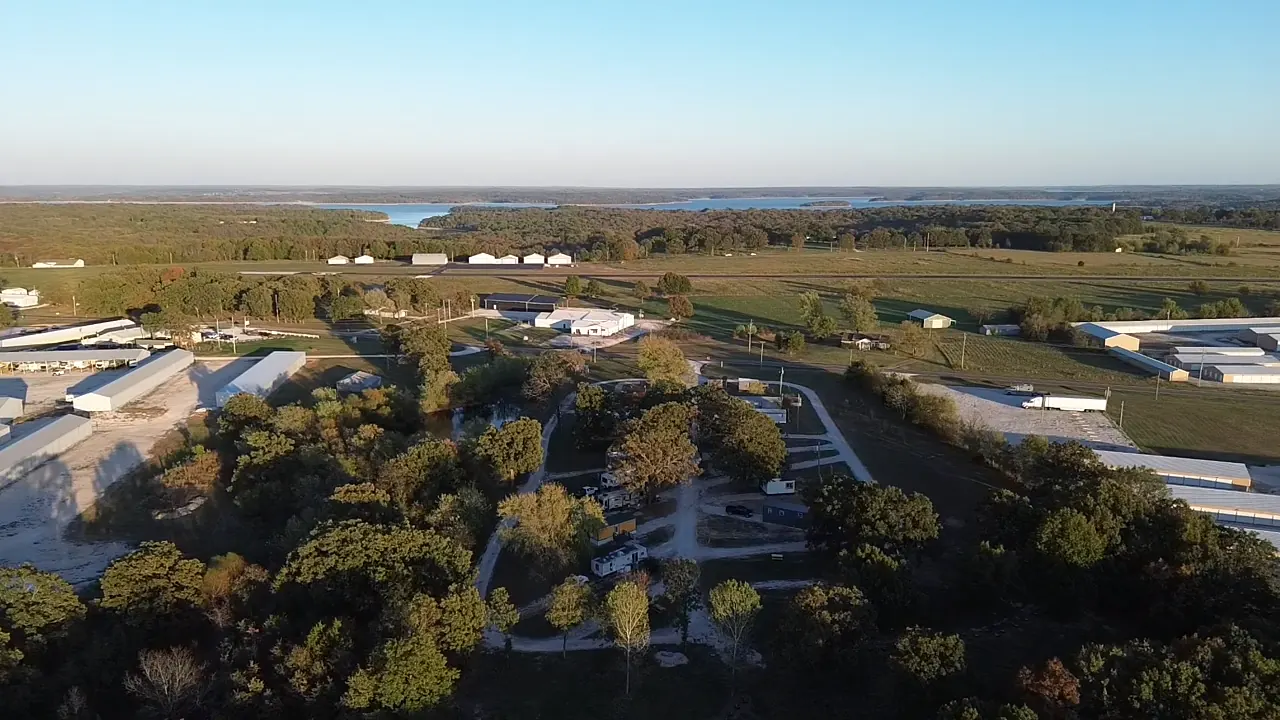
Campground owners keep asking us the same thing: can I add a few cabins without turning my park into a construction site? Park model cabins for campgrounds are built for exactly that. They arrive finished, plug into the hookups you already have and start earning as soon as they’re set.
This guide is for campground and RV park owners, landowners and investors thinking about rental cabins. If you’re buying one cabin for yourself, start with our log cabin tiny home buying guide instead.
Why are campgrounds adding park model cabins?
Because a cabin rents for far more per night than a campsite, and it brings in guests who don’t own an RV or a tent. Missouri State Parks planned camper cabins at $70 a night on sites that rented for $13, and reported cabin demand there outrunning supply.
The numbers come from a Missouri State Parks camper cabin project at Long Branch State Park, which put cabins on underused basic campsites. Demand for comfort outdoors is growing too: KOA’s 2026 report found glamping made up 29% of camping experiences in 2025, as RV PRO reported.
Our own Cub on Airbnb in Stockton, Missouri, rents for $130 a night. More on what it earns in can a tiny home be an Airbnb.
What makes a park model different from other campground cabins?
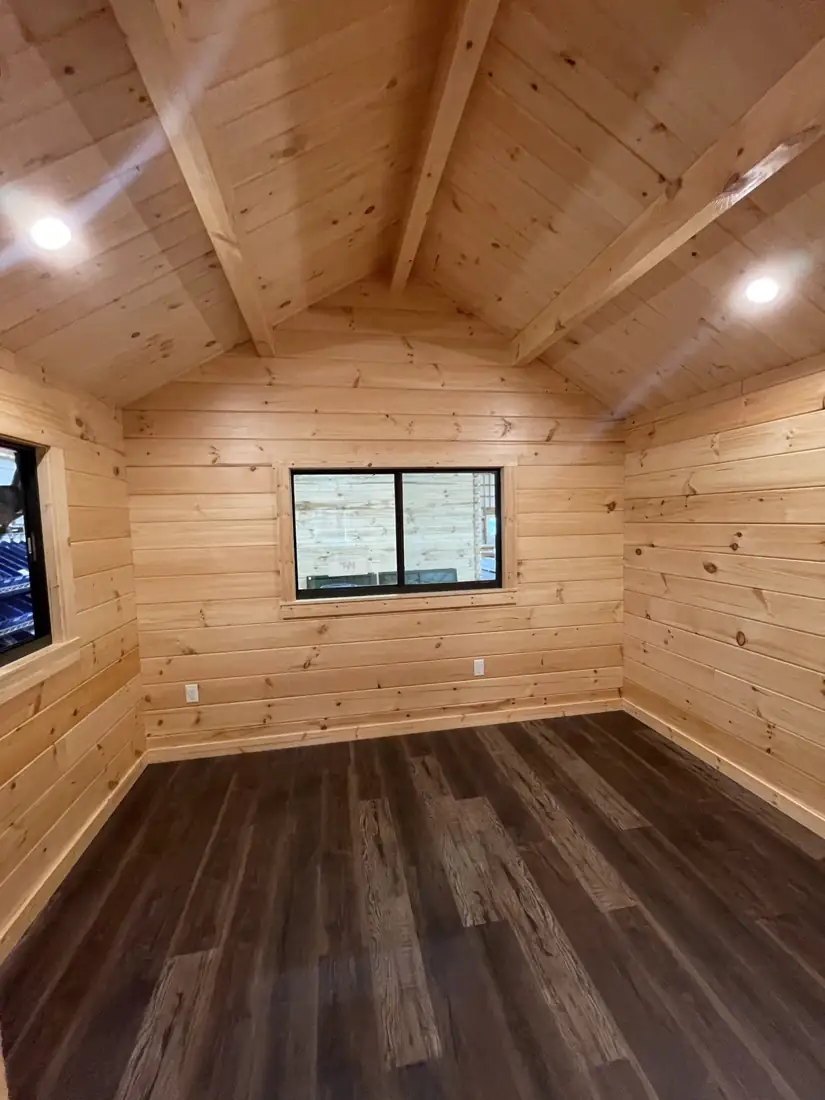
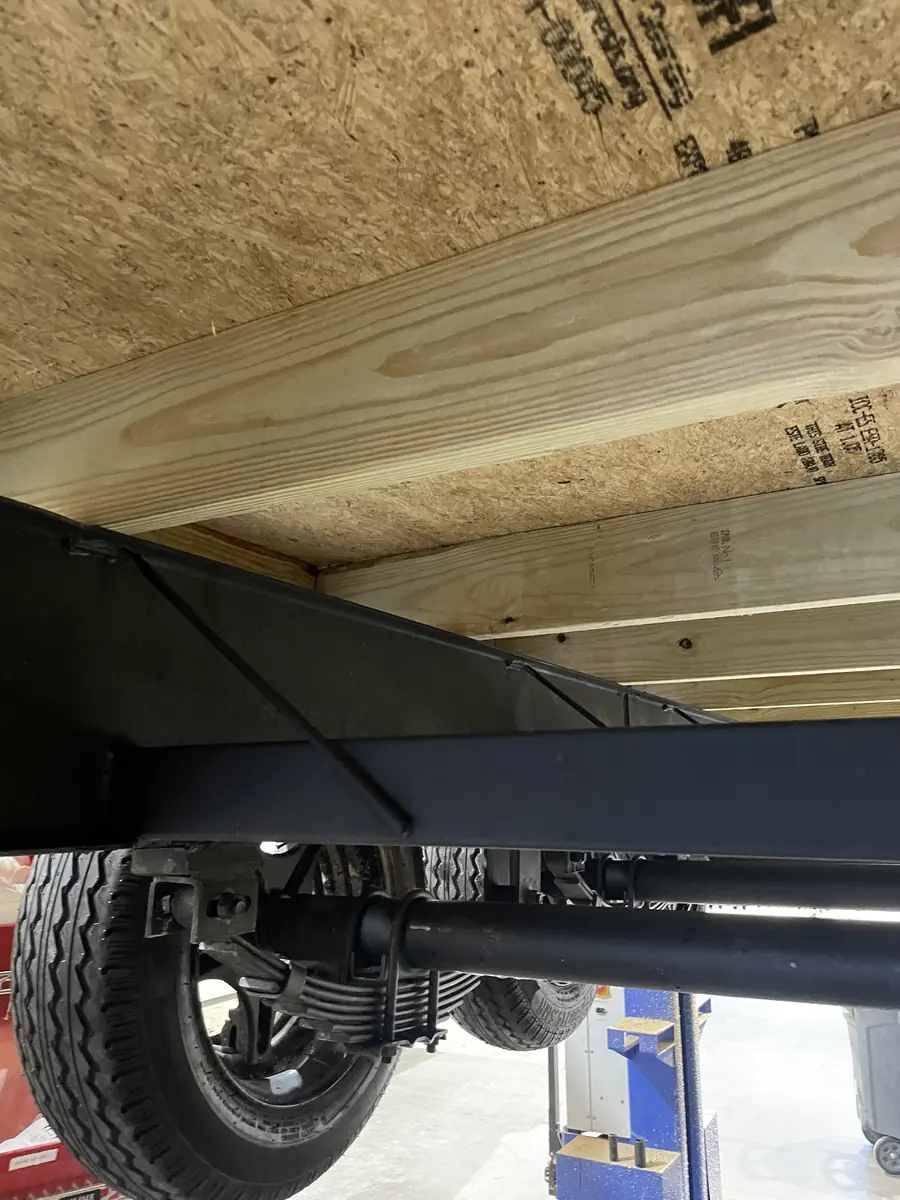
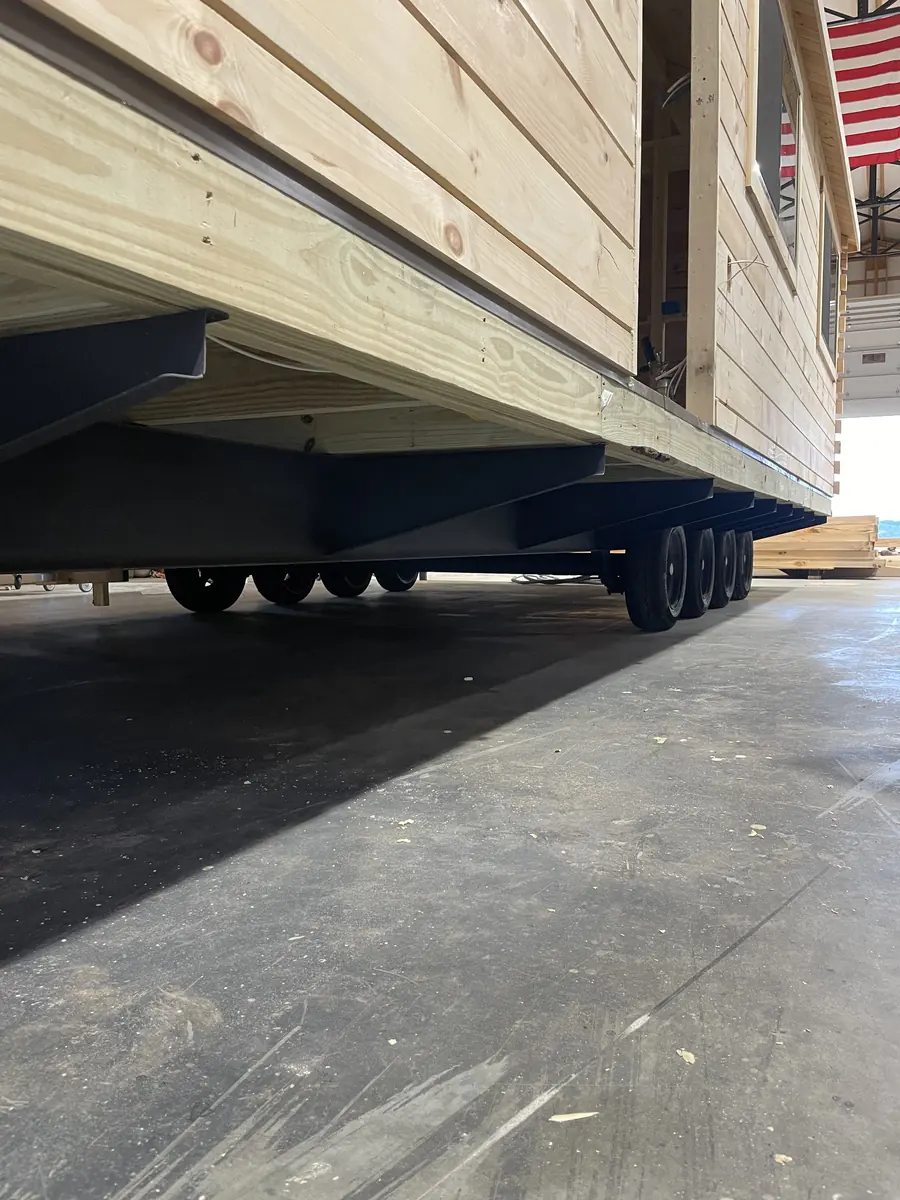
A park model arrives finished, on its own steel chassis, and plugs into the same electric, water and sewer hookups as an RV site. Many other cabin options need a foundation, plumbing and finish work on site, or skip the bathroom and kitchen entirely.
“Campground owners don’t realize the simplicity of setting up our cabins, and they compare us with other products that need a lot more on-site work. If you already own a campground, you can simply plug these cabins into electric, water and sewer, and it’s good to go.” — the Premium Structures team
States often treat the two differently, too. Michigan, for example, lets basic camping cabins on skids sit on licensed campsites only if they have no inside water. Park models built to ANSI A119.5 can go on a licensed campsite with full water and sewer, as Michigan’s campground rules spell out. Not sure what a park model is? Read what a park model home is.
What does a campground need to set up park model cabins?
A level gravel or concrete pad for each cabin, and RV-style hookups: electric, water and sewer. If your sites already have full hookups, most of the work is done. We deliver, set and level each cabin; connecting utilities and adding skirt board are available as extras.
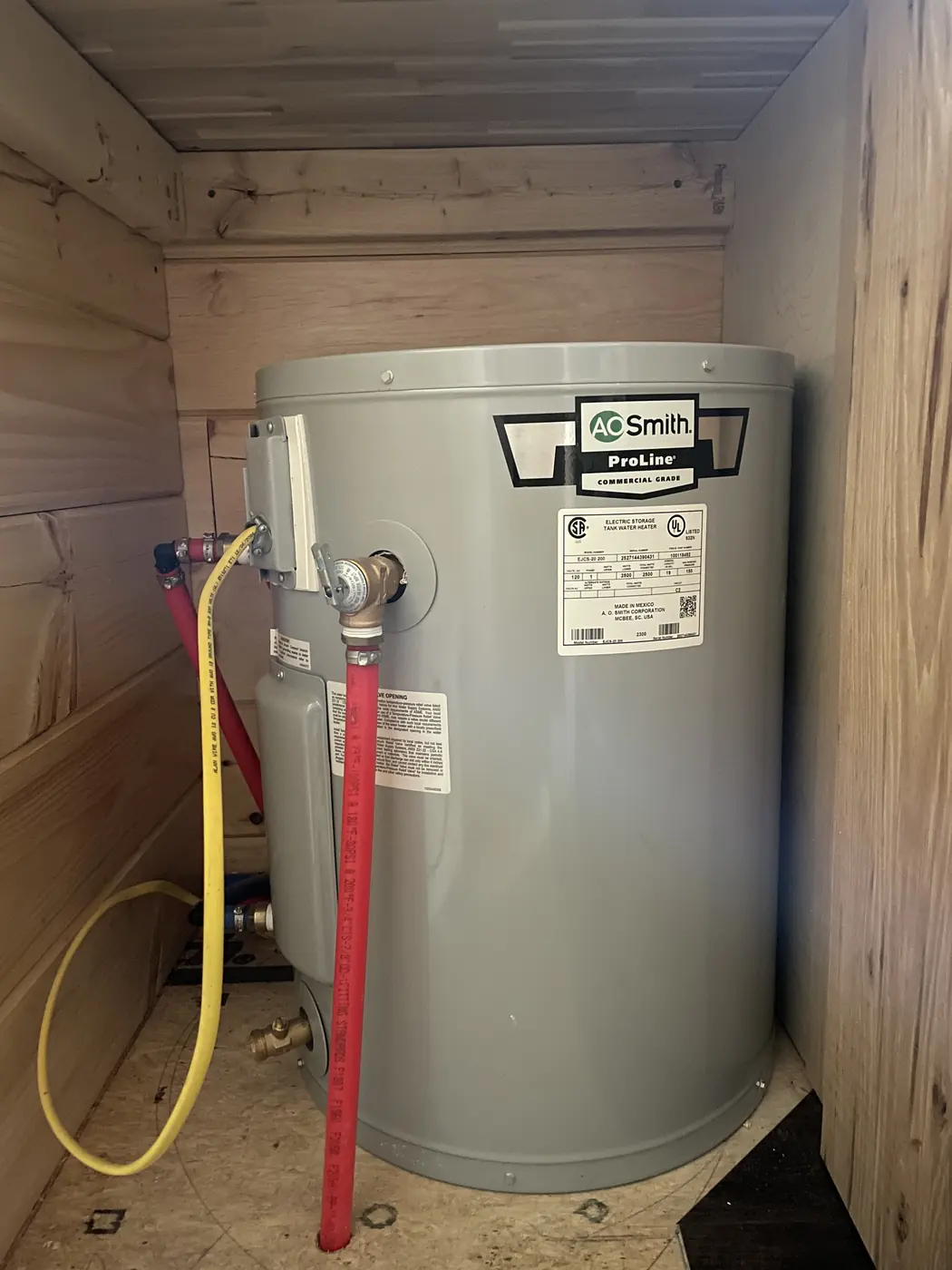
Check that your water and sewer systems can carry the extra load before you order. We cover pads, hookups, delivery access and permits in detail in campground cabin requirements.
How should you lay out cabins at a campground?
Give each cabin something to look at and a way to reach it. The campgrounds we’ve worked with usually build a road or trail that links the cabins in a loop, with each one facing a view or close to the water. Leave room for a porch, parking and a fire ring.
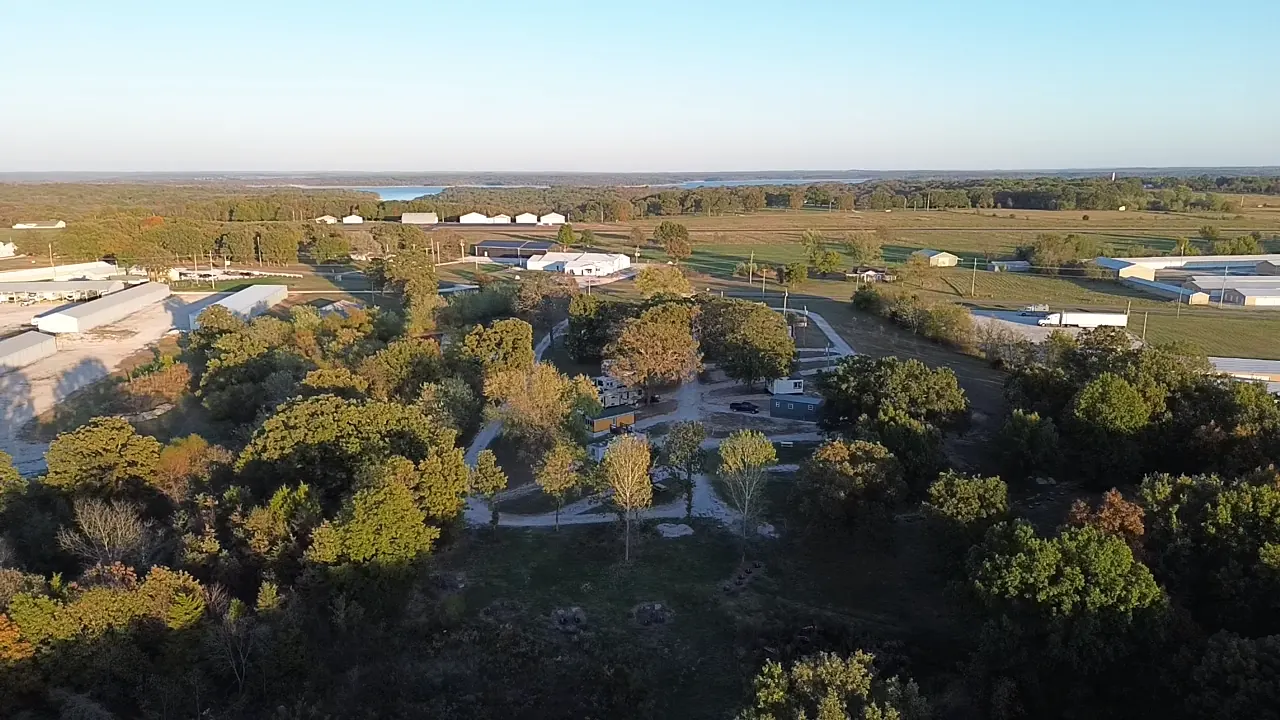
A loop keeps traffic moving one way, gives every cabin its own frontage and makes delivery easier: the truck can pull through instead of backing out. Plan the loop with delivery in mind, because each cabin arrives as an oversize load.
How many cabins should a campground start with?
Enough to reach commercial pricing if you can: buying 5 or more cabins at once drops the price per cabin. Before Premium Structures, our team sold cabins to campgrounds and RV parks through another builder, in orders of 6 to 10, and a few projects of 20 to 40 cabins.
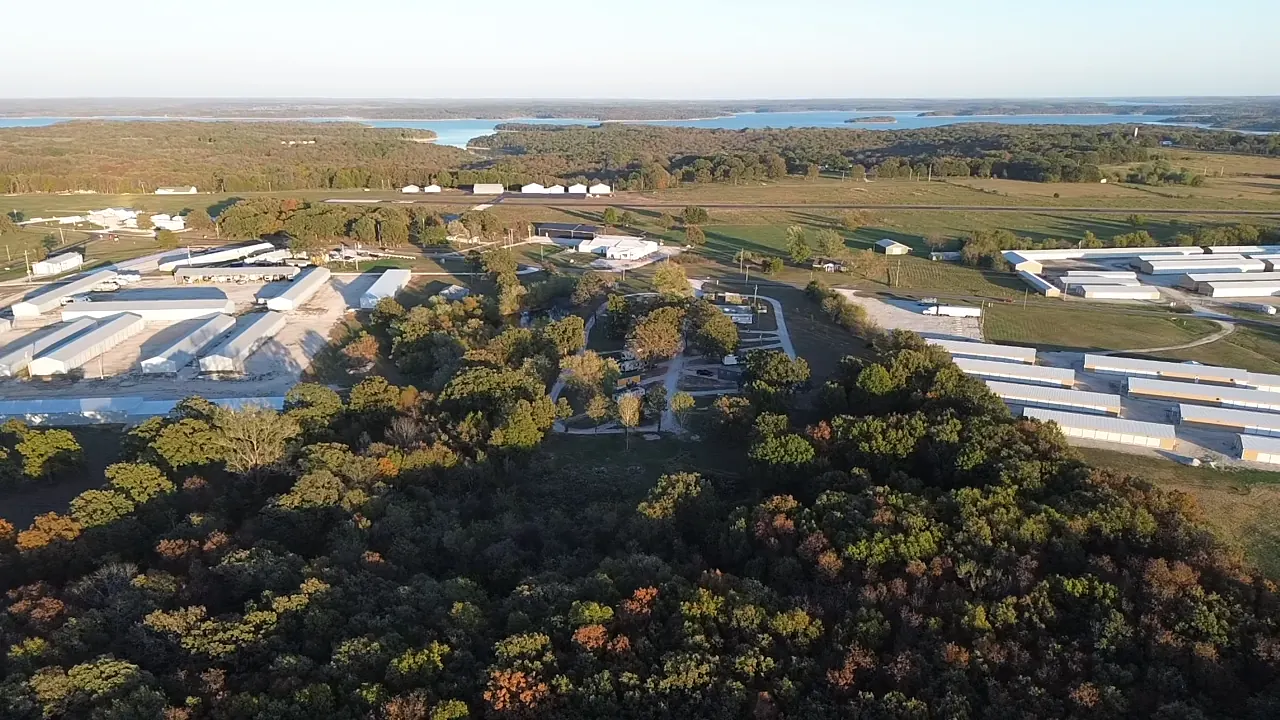
Those cabins went to campgrounds in Colorado, Montana, Idaho, Arkansas, California, Texas and Florida. We deliver anywhere in the mainland U.S., with delivery quoted for your address.
| Model | One cabin (retail) | Each, 5 or more (commercial) |
|---|---|---|
| The Cub (12 by 18 ft) | $35,250 | $33,600 |
| The Kodiak (400 sq ft plus loft) | $78,900 | $75,800 |
Five Cubs at the commercial price come to $168,000 before delivery and setup. Prices come from our current price list; delivery is quoted for your address. See both models on our log cabin tiny homes page.
How long does it take to build cabins for a campground?
Each cabin takes us about two weeks to build in our shop. When we can start depends on how busy we are, so ask for our next opening when you call. Ordering early in the off-season is the surest way to have cabins set before your busy months.
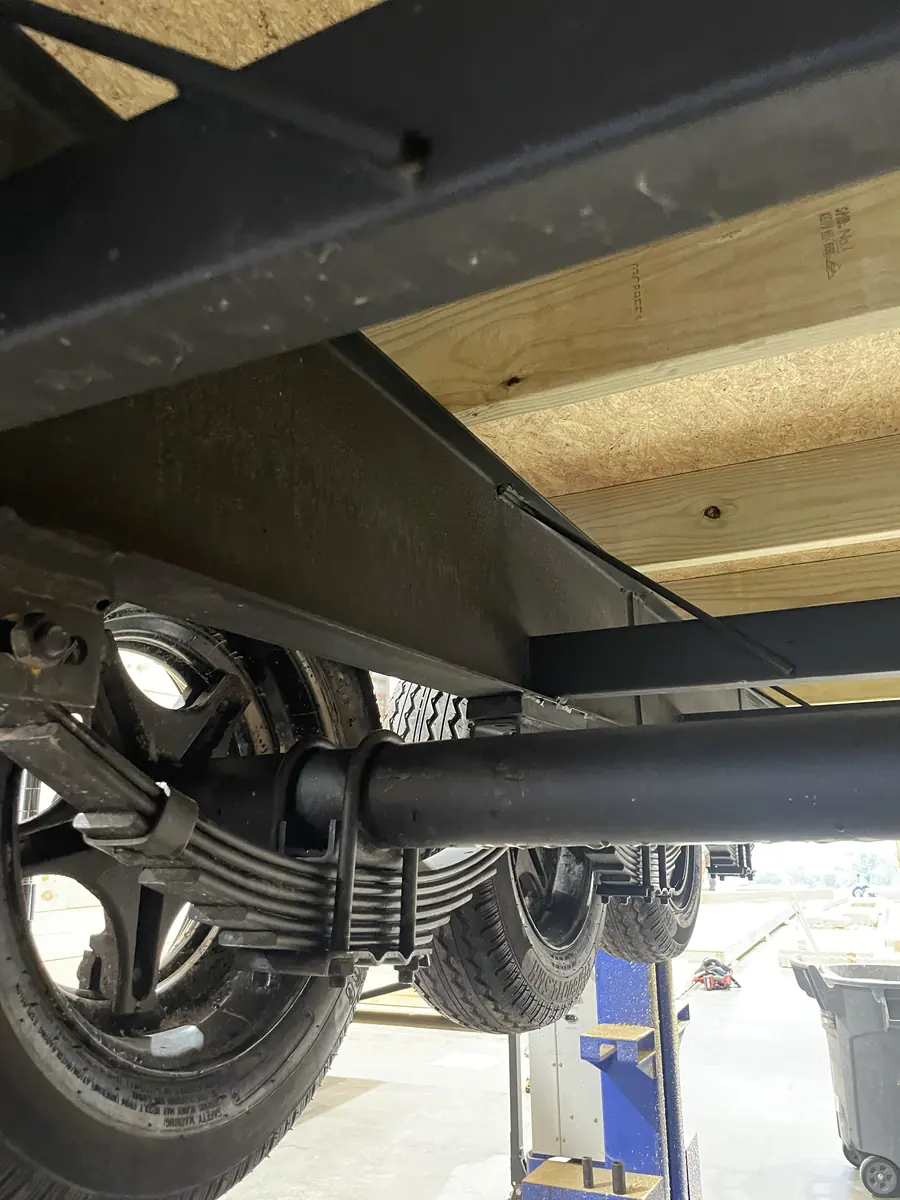
Every cabin is built under roof in Fair Play, Missouri, so weather doesn’t slow the build. We give you a firm timeline in writing with your quote.
How do campgrounds pay for park model cabins?
Most commercial buyers do best with a local bank or a group of investors. We also offer financing through Acorn Finance. Some campgrounds have pulled together private investors to fund a cabin project, which gives the investors a return and the campground new rental units.
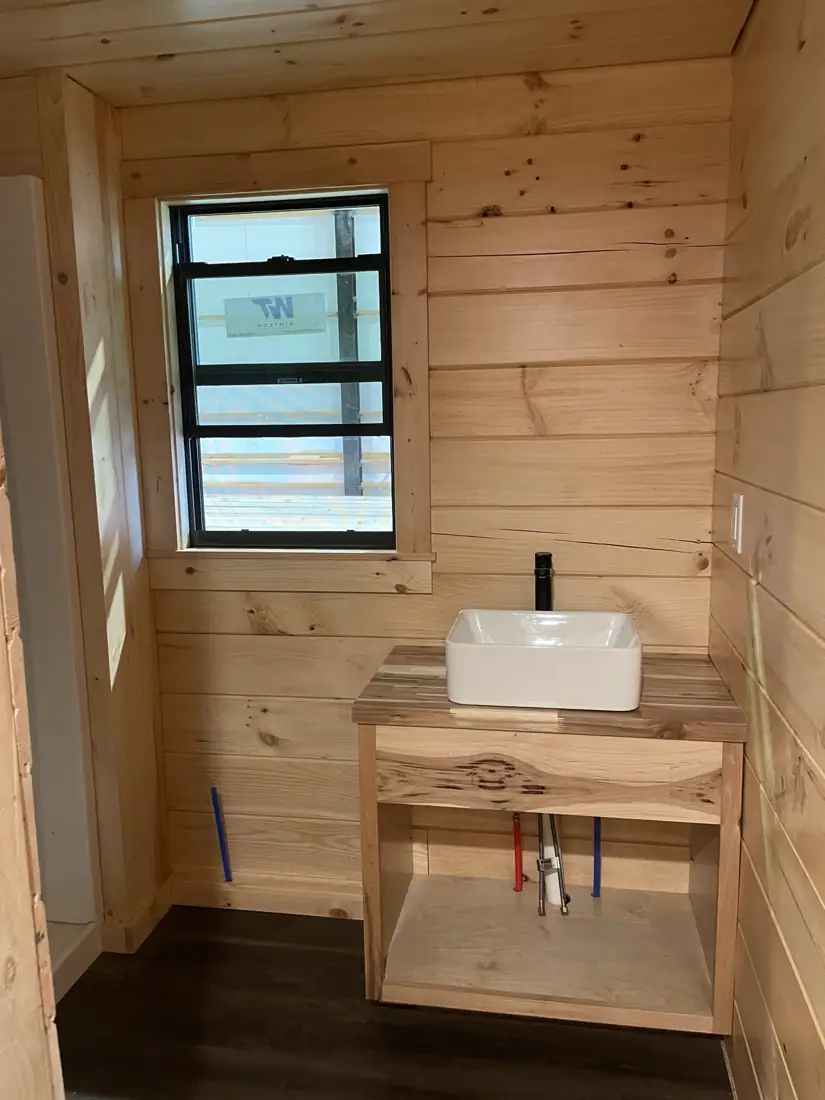
“There have been campgrounds who got together with a group of investors and said, ‘What can we do to make this happen?’ It’s a great opportunity for the private investors and helps out the campground.” — the Premium Structures team
When you buy outright, a 50% deposit starts the build and the balance is due on delivery.
What can a park model cabin earn?
It depends on your location and season. Our Cub in Stockton, Missouri, ran about 40% occupancy at $130 a night this fall, our slow season. That works out to roughly $1,560 a month before costs, and we expect summer to be busier.
We walk through the math, including what a loan payment looks like next to that income, in can a tiny home be an Airbnb. For how a cabin compares with an RV site or a glamping tent, see cabins vs. RV sites.
What licenses and taxes apply to campground cabins?
It depends on your state and county. In Missouri, the lodging law covers places that rent five or more guest rooms and names cabins, so a campground adding several rental cabins should ask the state health department about a lodging license. Ask your county assessor how the cabins will be taxed.
Missouri’s definition is in RSMo 315.005, and the Department of Health and Senior Services issues the licenses. Missouri counties also assess recreational vehicles and trailers as personal property each January 1, as Clay County explains. Some states treat park models differently, so check yours before you budget.
When are park model cabins the wrong fit?
When your sites can’t get water, sewer and power to each cabin, when local rules don’t allow rental units on your land, or when there’s no way to get a 12-foot-wide oversize load to the spot. Each of those can sometimes be solved, but solve it before you order.
- No hookups and no plan to add them. A park model is built to plug in.
- Zoning or licensing you haven’t checked. Get answers in writing first.
- Tight access. Trees, gates and soft ground all matter on delivery day.
- A custom design. We build a set line of models.
Quick summary
- Cabins rent for far more per night than campsites and bring in guests without RVs or tents.
- Park models plug into electric, water and sewer, so setup at an existing campground is simple.
- Buying 5 or more cabins gets commercial pricing: $33,600 per Cub and $75,800 per Kodiak.
- Each cabin takes about two weeks to build; ask for our next opening.
- Check lodging licenses and property tax rules for your state and county.