


Adding cabins to a campground is mostly about what’s already in the ground. Get the campground cabin requirements right before you order, and delivery day is just a matter of setting and leveling.
This checklist goes with our park model cabins for campgrounds guide, which covers pricing, layout and financing.
What utilities does each campground cabin need?
The same three hookups as a full RV site: electric, water and sewer. Our cabins plug into them like an RV does. Before you add several at once, make sure your water supply and your sewer or septic system can handle the extra use.
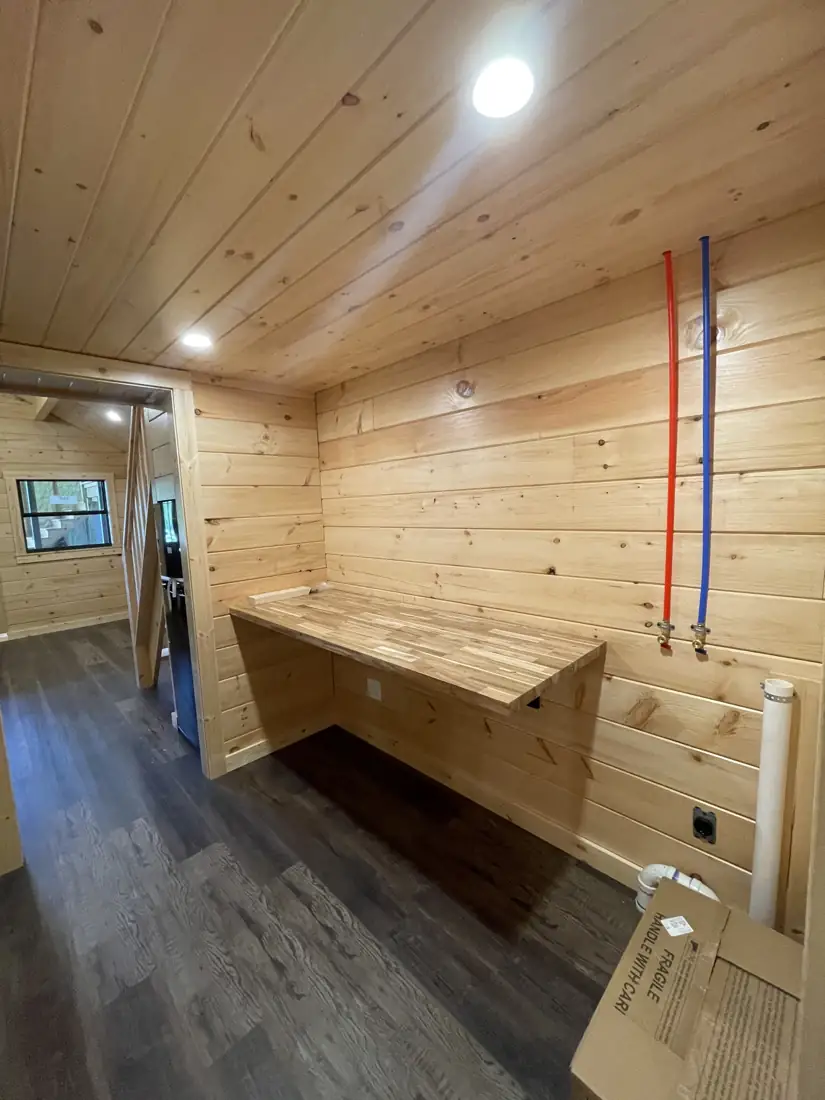
States set their own capacity rules. Michigan, for example, requires a water supply of one gallon per minute and sewer capacity of 150 gallons per day for each park model, according to its campground rules. Ask your state agency what applies to you.
Check the electric service, not just the pedestal. The Kodiak has a 100-amp electrical panel (see its full specs). Have an electrician confirm that your site’s service and pedestal can supply what each cabin needs, and that your main service can carry every cabin you plan to add.
- Water: pressure and volume at each site, plus a shut-off you can reach.
- Sewer: a sewer connection at each site, and enough capacity in your septic system or public sewer.
- Electric: service sized for the cabin, run by a licensed electrician.
What kind of pad does a campground cabin sit on?
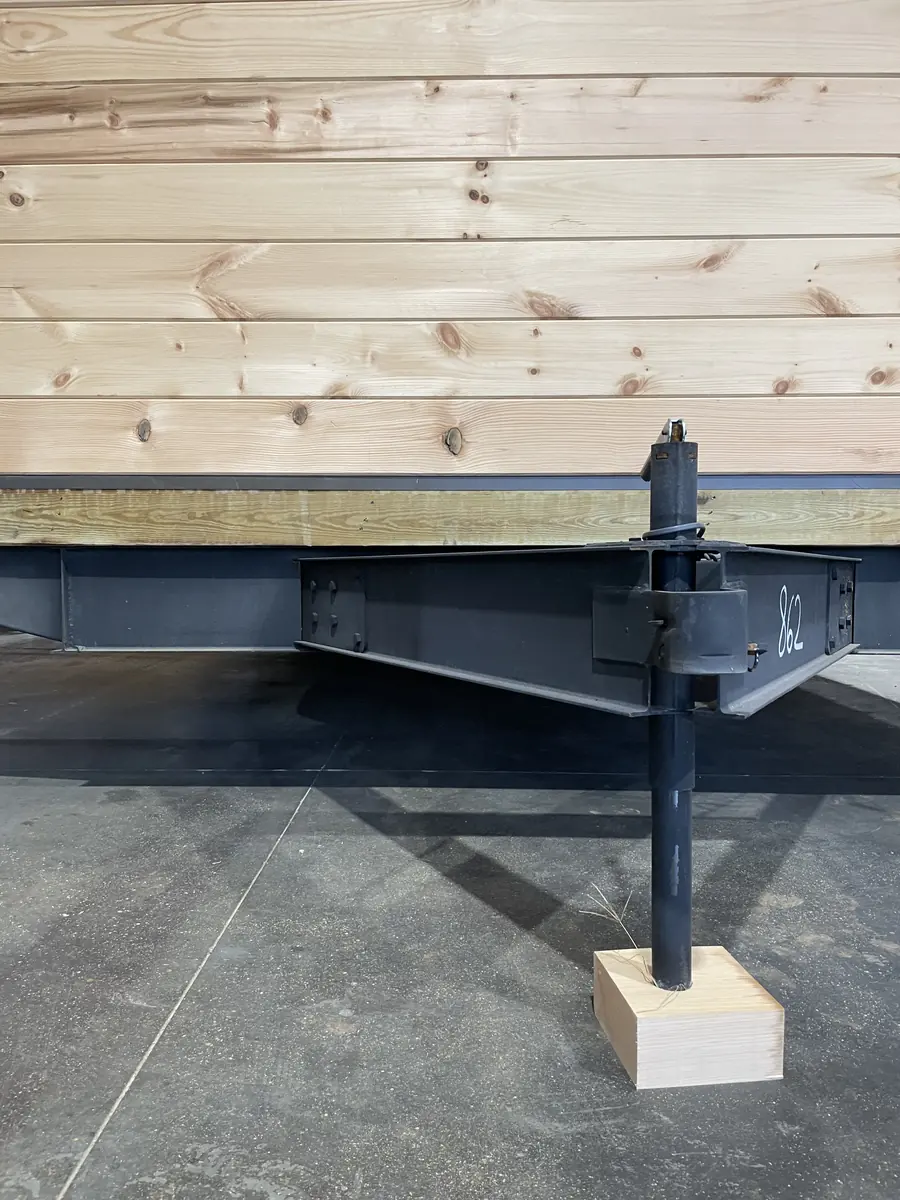
A level gravel or concrete pad. We set and level the cabin on it. For our longest warranty, 10 years, a park model should sit on concrete pillars or blocks and be anchored. We usually recommend a local contractor for pads, and we can connect you with crews we trust.
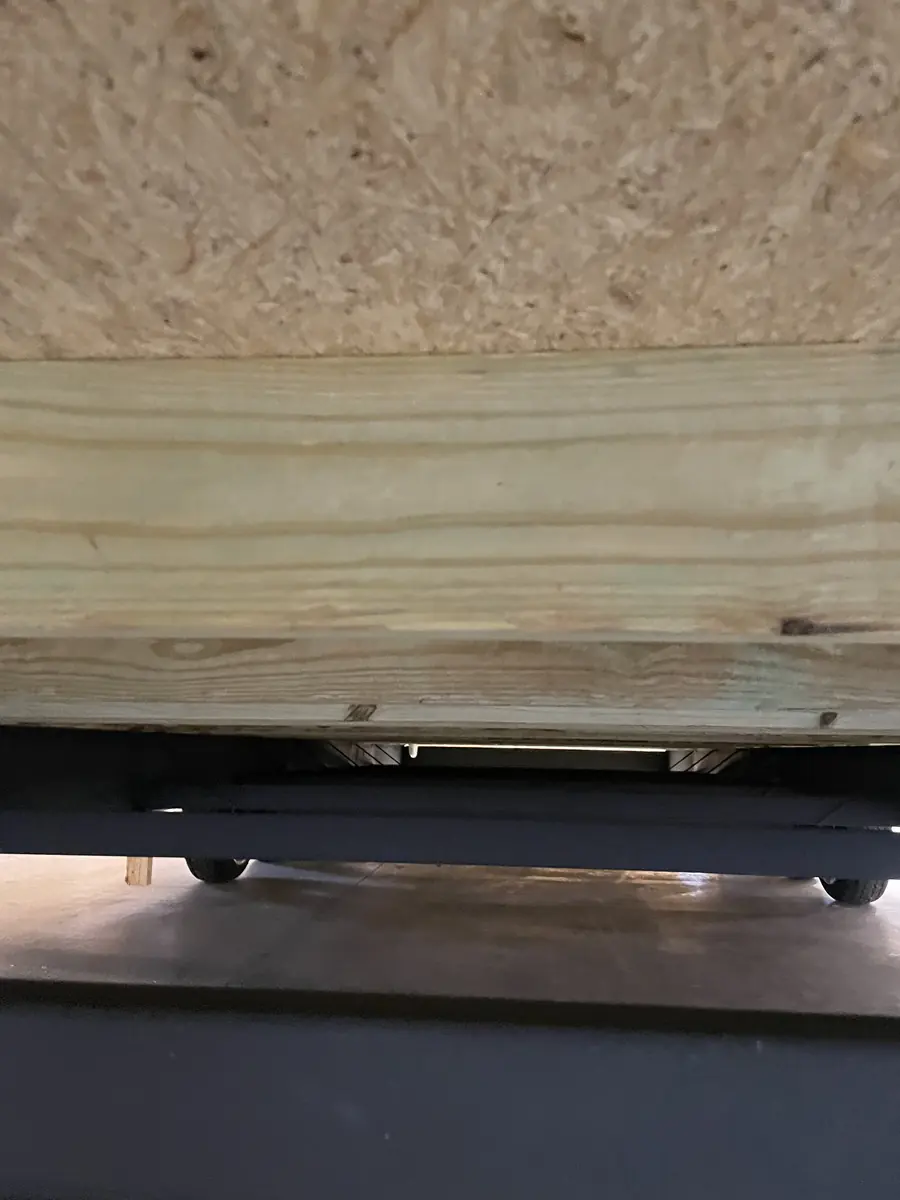
Build the pads before delivery day, and mark where each porch and door should face. Turning a cabin after it’s set is not a small job.
- Level and firm: the cabin is leveled when it’s set, but a soft or sloped pad makes that harder.
- Drains away: keep water from pooling under the cabin.
- Room around it: leave space for the porch steps, a parking spot and the hookups.
How will the delivery truck reach each site?
Each cabin arrives as a permitted oversize load, so the route to every pad needs room: trees trimmed high enough, gates and turns wide enough, and ground firm enough for a heavy truck. A road or trail that loops past each site makes delivery much easier.
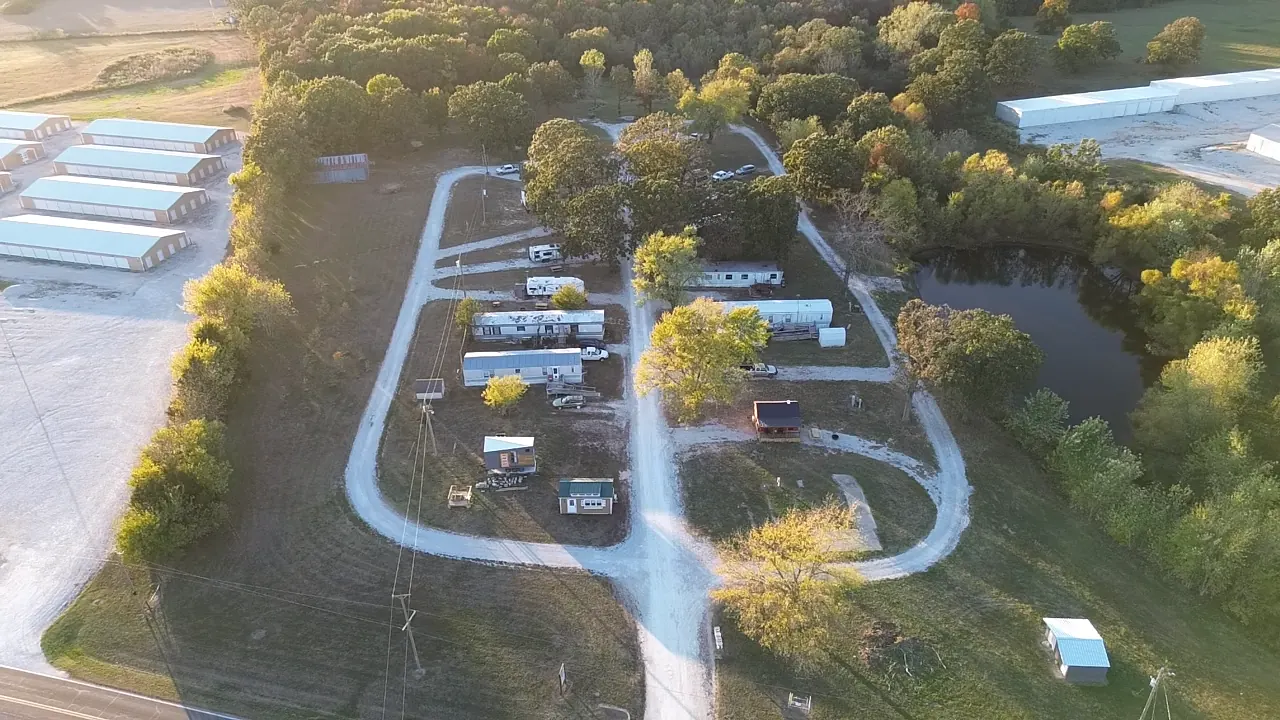
Walk the route before you order. Overhanging branches and tight gates are the most common surprises on delivery day. Our buying guide has more on what to expect when the truck arrives.
- Trim branches high above the route.
- Measure every gate and tight turn.
- Check that culverts and soft spots can carry a loaded truck.
- Leave room at each pad for the truck to line up.
What are the permit and license requirements for campground cabins?
Usually a mix of state and local ones: a campground or lodging license from the state, plus building, electrical or plumbing permits from your local building office. In Missouri, places that rent five or more guest rooms, including cabins, fall under the state lodging law.
Missouri’s definition of a lodging establishment is in RSMo 315.005; licenses come from the Department of Health and Senior Services. In Michigan, electrical work at a campground needs a licensed electrician and a local permit. Call your state agency and your county before you order.
A short list of calls to make: your state’s campground or lodging licensing office, your county or city building department, your county health department about septic, and your county assessor about taxes. Ask each one what changes when you add rental cabins. Then see which earns more, cabins or RV sites.
How are park model cabins taxed?
It depends on your state. In Missouri, counties assess recreational vehicles and trailers as personal property every January 1. Some states treat park models differently, and how yours is titled and set up can matter. Ask your county assessor before you budget.
Clay County, Missouri, lists recreational vehicles and trailers among the personal property it assesses. Your county will tell you how it handles a park model on your land.
Quick summary
- Each cabin needs electric, water and sewer, plus enough capacity in your systems for several more units.
- Pads are level gravel or concrete; anchored pillars or blocks earn the 10-year warranty on a park model.
- Plan a route the oversize truck can drive to every site.
- Check state lodging or campground licenses and local building permits.
- Ask your county assessor how the cabins will be taxed.