


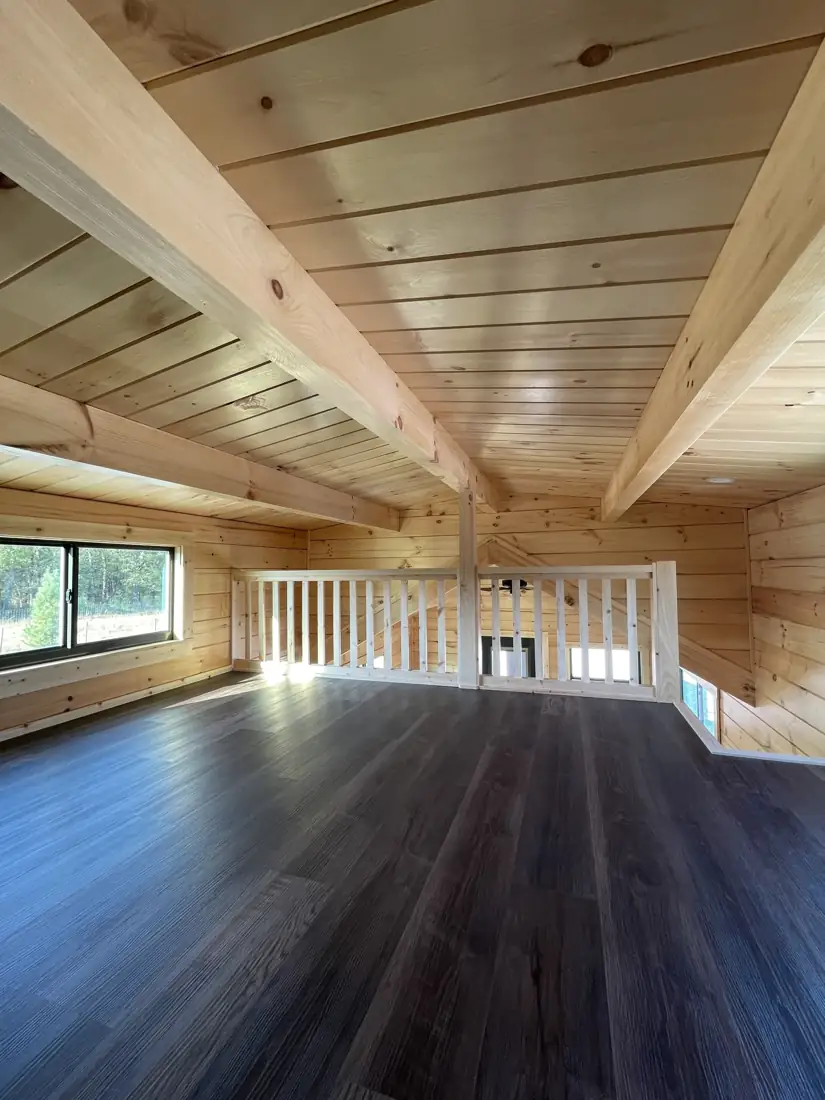
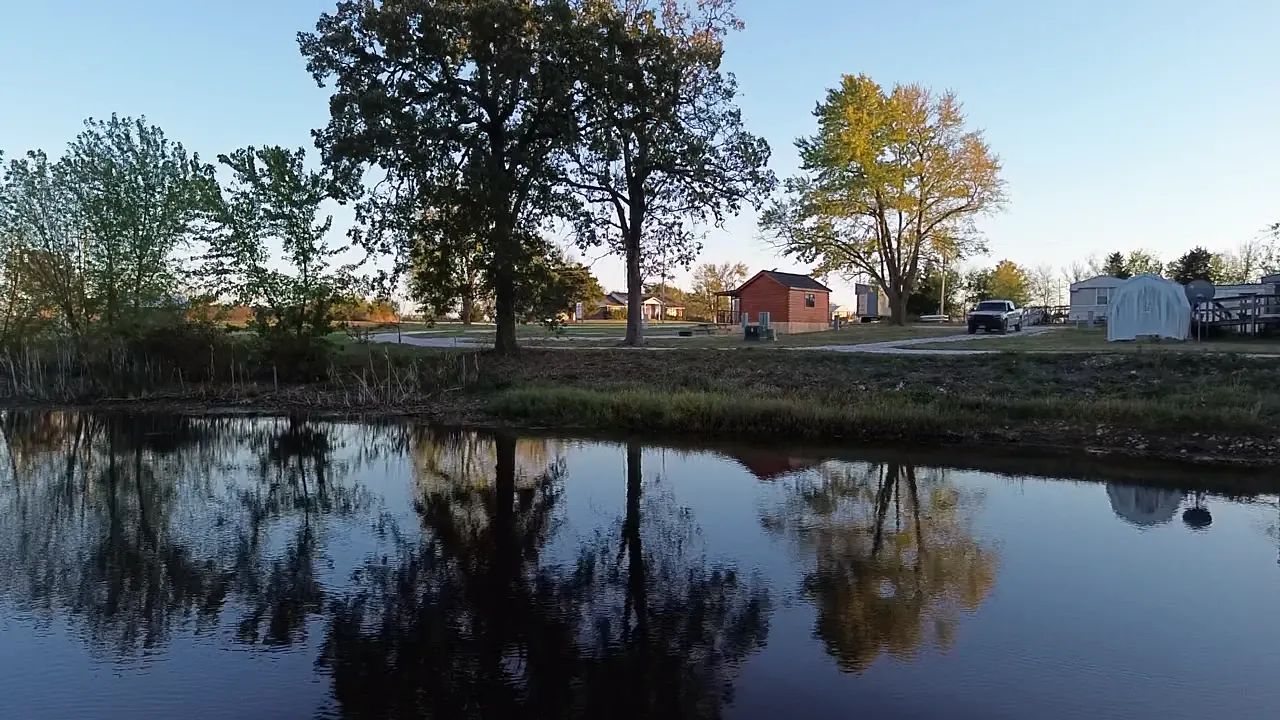
If you own a campground, every site is a decision: keep it for RVs and tents, or put a cabin on it? Comparing cabins vs. RV sites comes down to three things: what each rents for, who books it and what it costs to add.
This post is part of our park model cabins for campgrounds guide.
How much more does a cabin rent for than an RV site or campsite?
Often several times more. Missouri State Parks planned camper cabins at $70 a night on sites that rented for $13 as basic campsites, and those cabins have no bathroom. Our own Cub, with a kitchenette and full bath, rents for $130 a night on Airbnb in Stockton, Missouri.
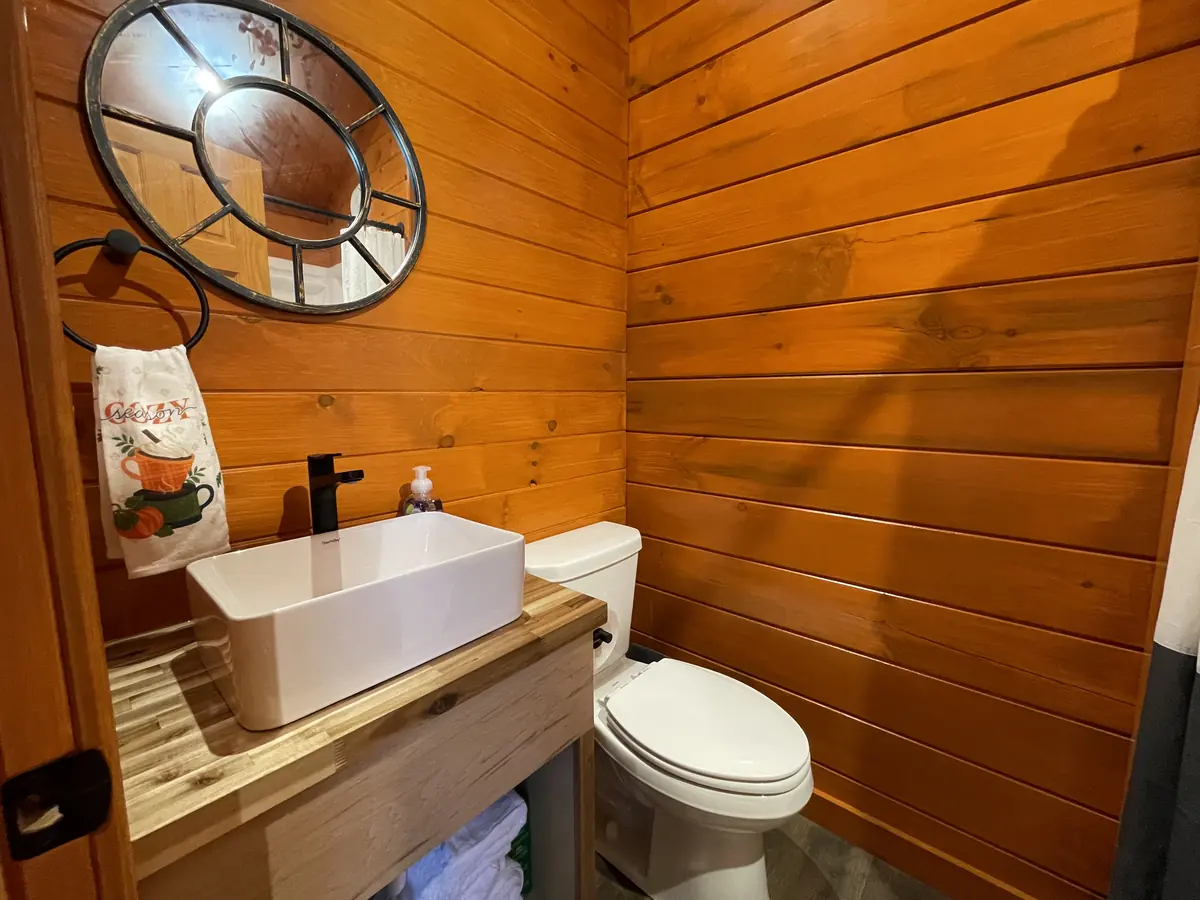
The state’s figures come from its Long Branch camper cabin project, which also reported that camper cabin occupancy across Missouri’s parks was consistently high, with demand exceeding availability.
Who books cabins instead of campsites?
Guests who want the outdoors without the gear: families without an RV, couples on a weekend away, and people who want a real bed and a bathroom. Comfortable camping is a growing share of the market; KOA found glamping made up 29% of camping experiences in 2025.
The figure is from KOA’s 2026 Camping & Outdoor Hospitality Report, as RV PRO reported. A cabin also lets you book the shoulder seasons that tent campers skip, because it has heating and cooling.
Cabins also change who comes back. Guests who would never buy an RV can still bring their family camping, and a good stay turns into a yearly booking.
What does it cost to add a cabin compared with an RV site?
A cabin costs more up front: our Cub is $33,600 each when you buy 5 or more, plus delivery and a pad. If the site already has full hookups, there’s little else to build. Public projects can cost far more; Missouri’s estimate included design, bidding and major site work.
Missouri State Parks budgeted $456,000 for six camper cabins and $563,541 for site development at Long Branch, in a public project with its own requirements. A private campground putting park models on existing full-hookup sites skips most of that site work. See what goes into setup in campground cabin requirements.
On the other side of the ledger, an RV site’s nightly rate is lower, but it needs little beyond hookups and upkeep. A cabin brings extra work too: cleaning between guests, linens and supplies. Count that time when you compare.
Where do glamping tents fit in?
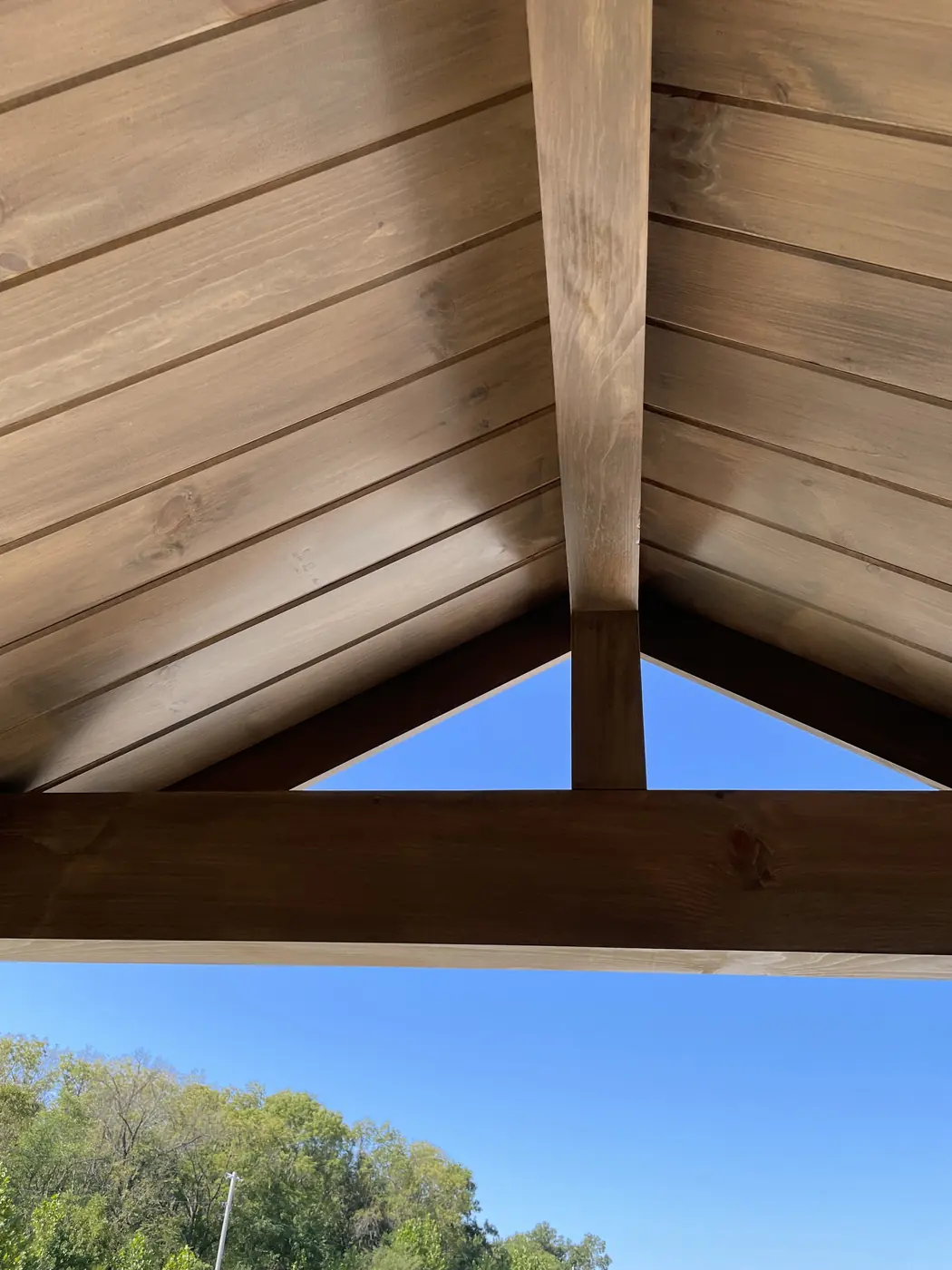
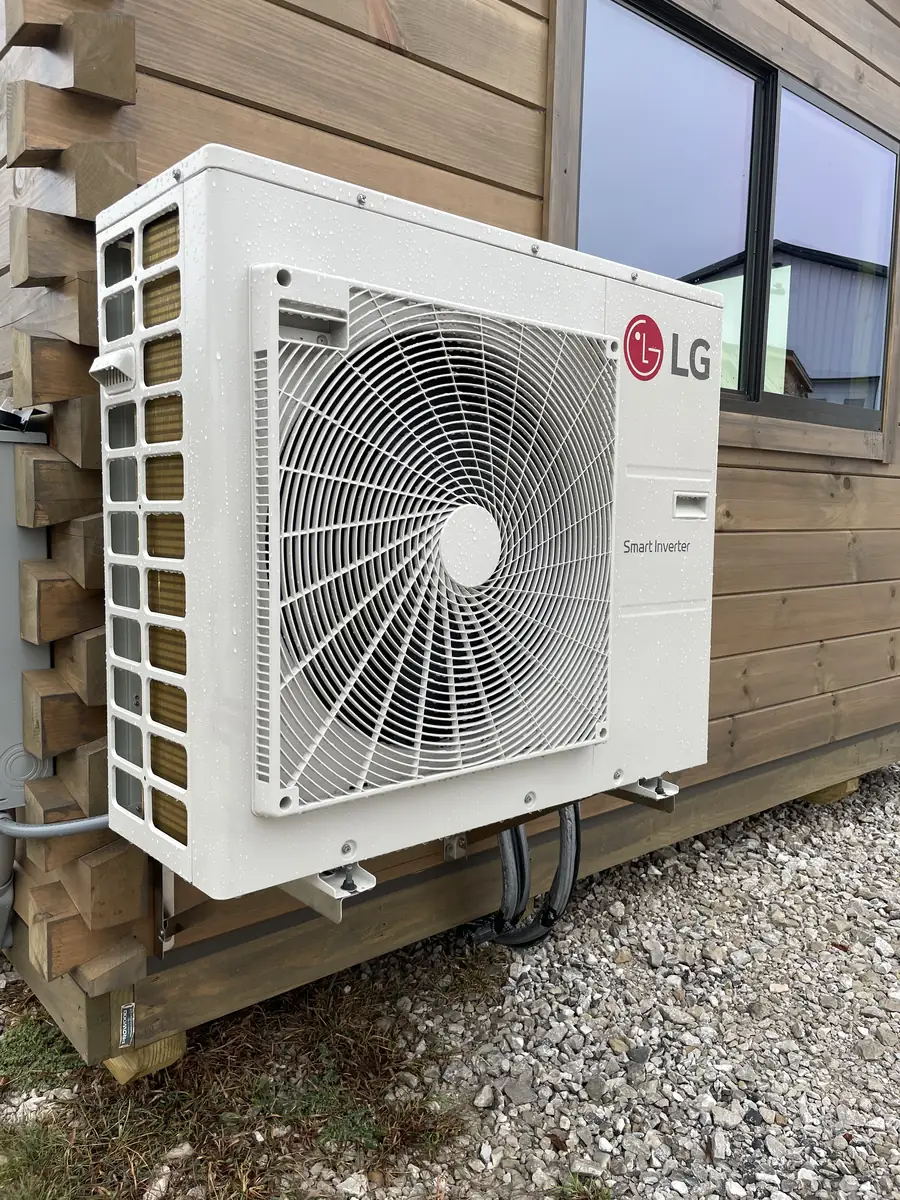
Glamping tents cost less up front but are soft-sided and usually seasonal. A park model cabin has solid log walls, insulation, a mini-split for heating and cooling, a bathroom and a kitchenette, so it can rent in more months of the year and holds up for years.
Many campgrounds mix all three: RV sites for travelers, tents for summer, and cabins for guests who want comfort year-round. If you’re weighing a cabin as a rental on its own land, see can a tiny home be an Airbnb.
Cabins vs. RV sites: should you replace some of yours?
Start with sites that earn the least: underused basic sites, or spots with a view that RVs don’t value. That’s what Missouri State Parks did, putting camper cabins on underused campsites. Add a few cabins, track their bookings for a season, then decide on more.
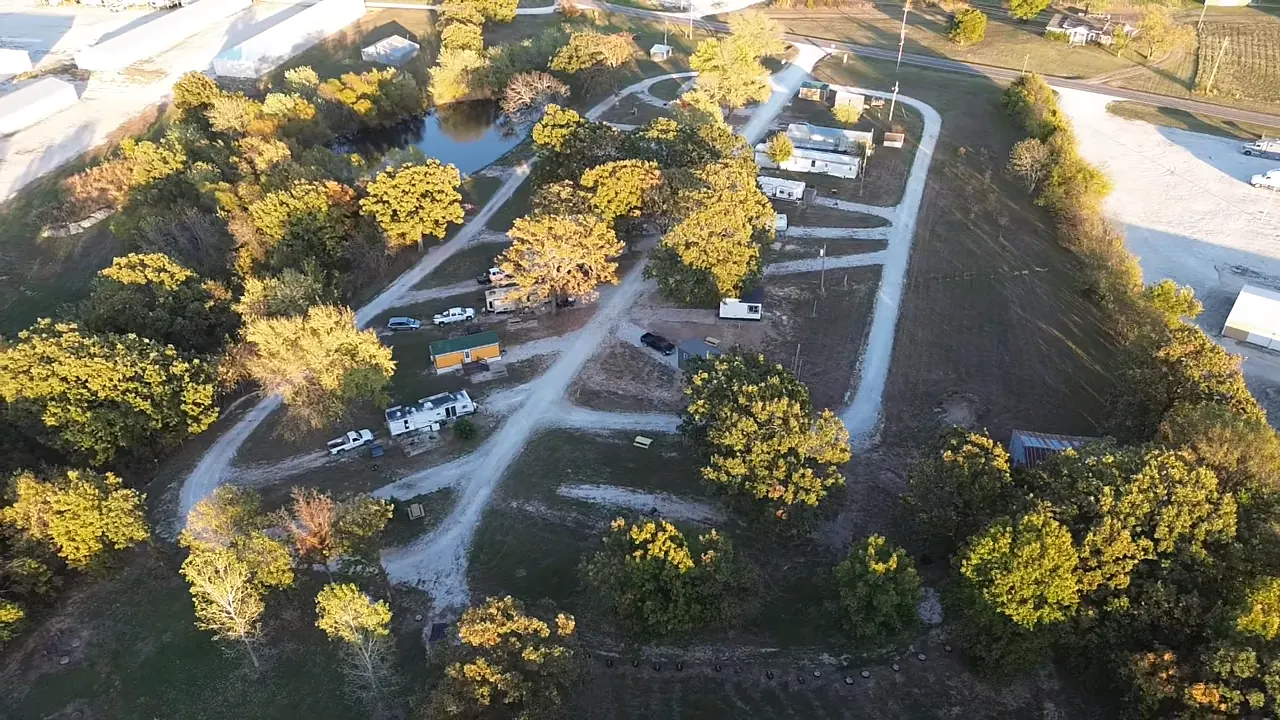
Keep your best-booked RV sites as they are. A good mix serves more kinds of guests and spreads your income across the year. When you’re ready, see both cabin models on our log cabin tiny homes page.
Quick summary
- Cabins rent for several times more per night than basic campsites.
- They bring in guests without RVs or tents, and they book in cooler months too.
- On a site with full hookups, adding a park model is mostly the cabin, delivery and a pad.
- Start by converting your lowest-earning sites and expand once you see the bookings.